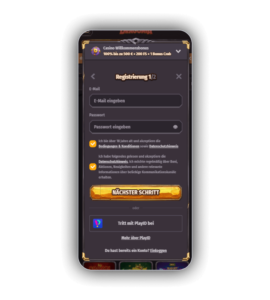
For adults comparing online casinos new zealand users may encounter, account security deserves attention before game selection or promotions. The information available for surf1020.com indicates that identity, payment ownership and account accuracy can affect access to deposits and withdrawals. A safer approach is to understand what may be requested, how to protect login details and which conditions could delay financial activity. These checks are not merely administrative: they help prevent duplicate accounts, mistaken identity, payment disputes and unauthorised access.
Which details should match your identity?
Registration should be completed with your real name and accurate personal information. The account terms allow only one account per person, household or address, phone number, email address and IP address. That means creating a second profile to solve a forgotten-login problem, using another person’s details or opening an account for someone else can create serious complications. An account cannot be transferred or sold, so the profile should remain under the control of the person whose identity is recorded.
Keep the information current after registration. Changes to an address, phone number or email address can become important when a reset message, verification request or payment query arises. Inaccurate details may also make it harder to demonstrate that the account belongs to you. If an error appears in the registration information, contact customer support rather than quietly opening another account. Support is advertised through live chat and email, with the Help Centre covering account, verification, technical and withdrawal questions.
Account security also depends on separating personal access from shared devices. Do not allow another person to use your credentials, even if they are trusted. Avoid saving passwords in a public browser, and sign out when using a shared computer or phone. A private email account with a strong, unique password is preferable to an address several people can access. These simple practices reduce the chance that a legitimate verification request is confused with suspicious activity.

How does the verification process affect access?
Identity checks may involve proof of identity, proof of age and evidence of residential address. The operator may also ask for proof that a payment method belongs to the account holder, transaction records or source-of-funds information. In some circumstances, phone or face verification may be requested. These requirements can vary according to the account, payment activity, risk checks and applicable provider procedures, so readers should rely on the stated request rather than assume that one document will always be enough.
Requested documents are described as needing to be supplied within 30 days. The Help Centre gives a typical period of 24–48 hours after complete documents are received, while the general terms allow up to 10 days and further checks. The difference matters: a short estimate is not a guaranteed completion time. Documents that are incomplete, unclear, expired or inconsistent with the account may lead to additional questions and a longer review.
Deposits or withdrawals may be restricted until verification is approved. Before submitting anything, check that names, dates and addresses are readable and match the account. Use only the official support route shown in the account or Help Centre if a request seems unclear. New Zealand’s national cyber-security guidance at CERT NZ’s online safety guidance is also useful for general advice about protecting personal information and recognising suspicious messages; it does not confirm any casino-specific process.
What should you check before sending documents?
Begin by checking why the information is being requested and whether the request appears inside the account or comes from a recognised support channel. Be cautious with unexpected emails asking for passwords, one-time codes or full payment details. Verification normally concerns evidence, not your login secret. Never send a password, authentication code or complete card security code in response to a message, even if it appears urgent.
Prepare documents privately and inspect them before uploading. The name should match the account, the image should be clear and all required corners or pages should be visible. If the operator asks for a payment record, conceal information that is not required, such as unrelated transactions or full card numbers, provided the permitted format still proves ownership. Do not alter the document itself. If redaction rules are uncertain, ask support what may safely be covered.
Keep a record of what was submitted and when, without storing sensitive files in an unprotected public folder. Use a personal device with current security updates and a secure internet connection. Avoid sending identity documents over social media or to an address that differs from the recognised support details. If a request seems disproportionate or contradictory, pause and seek clarification through live chat or the listed support email before proceeding.

Can login problems become security problems?
A forgotten password should be handled through the “Forgot password” option using the registered email address. A reset message may not arrive immediately, so check spam or junk folders without repeatedly requesting resets. If the email address is no longer accessible, or the username has been forgotten, contact support rather than creating a replacement account. Repeated failed attempts and multiple new profiles can make an ordinary recovery issue look like suspicious activity.
For technical login problems, the published guidance suggests checking the entered credentials, clearing browser cache and cookies, and using the latest version of Google Chrome. These steps can resolve an outdated session or a stored incorrect password, but they should be done carefully. Clearing data may remove saved preferences, so ensure that the correct registered email address and recovery method are available first.
Use a unique password that is not shared with email, banking or shopping accounts. A password manager can help create and store a different password for each service. If you believe someone else has accessed the account, change the password from a trusted device and contact support promptly. Review account activity and payment records where available, and do not approve transactions you do not recognise. Support can investigate account access, but fast reporting improves the chance of limiting further harm.
Which account conditions deserve a final check?
Verification is closely connected to withdrawals. The available information states that identity approval is required first, and payments may also involve additional balance, source-of-funds or payment-ownership checks. Withdrawals are normally directed to the same payment method used for deposits where technically possible, although provider rules can affect the process. This makes it sensible to confirm that a payment method is in your own name before funding an account.
Read the financial terms before assuming that a successful deposit guarantees an immediate withdrawal. The terms refer to finance processing of up to three business days after a request, or after the previous withdrawal has been paid, when checks and conditions are satisfied. A payment provider may need additional time. The terms also describe a minimum monthly wagering threshold, deposit turnover conditions and possible fees where wagering is below the deposited amount. These are material conditions, not details to discover after requesting funds.
Finally, understand how access can be closed or restricted. Account closure normally requires no remaining balance and no pending withdrawal, while self-exclusion can be requested through customer support. The public information does not provide a complete list of configurable deposit, loss or session controls, so check the account interface or ask support which options are available. Security is strongest when account ownership, verification, payment conditions and support procedures are understood before money is placed at risk.
Account security questions answered
Can I open another account if I cannot log in?
No. The stated terms permit only one account per person and related address, contact details and IP conditions. Use the password-recovery process first. If recovery fails because you cannot access the registered email or remember the username, contact support and explain the problem rather than registering again.
How long might identity verification take?
The Help Centre gives a typical period of 24–48 hours after complete documents are received, but the general terms allow up to 10 days and further checks. Incomplete documents, payment ownership questions or source-of-funds reviews can extend the process, and withdrawals may remain restricted meanwhile.
What should I do if a verification email seems suspicious?
Do not provide your password, one-time code or unnecessary payment information. Check the request through the account or a recognised support channel, and avoid using links in an unexpected message. If you suspect compromise, change your password from a trusted device and report the issue promptly.